
Colombo Sri Lanka Travel Guide 2026
Discover Colombo, Sri Lanka’s lively commercial capital, where historic neighbourhoods, temples, markets, museums, oceanfront promenades, rooftop dining and modern city landmarks come together.
Colombo is Sri Lanka’s largest commercial city and the main urban gateway for many international travellers. It blends colonial-era architecture, busy markets, Buddhist, Hindu, Muslim and Christian landmarks, oceanfront public spaces, museums, shopping districts, restaurants and an increasingly modern skyline.
This Colombo Sri Lanka Travel Guide will help you plan a short city stay, choose the best attractions, understand the main neighbourhoods and connect Colombo with Galle, Negombo, Kandy, Sigiriya and Bandaranaike International Airport.
Although many travellers pass through Colombo quickly, the city deserves at least one full day. Sri Lanka Tourism highlights experiences such as tuk-tuk rides, Pettah Market, local food and time at Galle Face Green, while its city-tour information also includes Gangaramaya Temple, Independence Square, the National Museum and Viharamahadevi Park.
Colombo is officially recognised as Sri Lanka’s commercial capital, while Sri Jayawardenepura Kotte serves as the administrative capital. The Colombo Municipal Council describes the city as the country’s commercial centre.
Continue planning with:
Why visit Colombo?
Colombo provides an energetic introduction or conclusion to a Sri Lanka journey. It is not a single historic district like Galle Fort or a beach destination like Mirissa. Its appeal comes from the contrast between neighbourhoods, communities and experiences.
Within one day, travellers can visit a Buddhist temple, explore a colourful market, walk through a colonial civic district, eat street food beside the ocean and finish the evening at a rooftop restaurant overlooking the skyline.
Colombo is particularly suitable for:
- First-time visitors arriving in Sri Lanka
- Travellers with a final night before departure
- Food and market enthusiasts
- Architecture and history lovers
- Families seeking accessible city attractions
- Business travellers extending their stay
- Cruise passengers
- Travellers interested in contemporary Sri Lankan life
Colombo quick facts
Top things to do in Colombo
Walk along Galle Face Green
Galle Face Green is Colombo’s best-known oceanfront public space. The long promenade faces the Indian Ocean and becomes particularly lively in the late afternoon and evening.
Visitors come for:
- Sea views, sunset & evening walks
- Street food & family recreation
- Kite flying & city photography
Explore Pettah Market
Pettah is one of Colombo’s busiest and most colourful districts. Its streets contain wholesale shops, textile stores, fruit stalls, electronics, spices, household goods, religious landmarks and intense local activity.
The area can feel crowded and confusing for first-time visitors. A local guide or chauffeur-assisted walking plan can make the experience easier. Keep valuables secure, wear comfortable shoes and expect heavy pedestrian and vehicle traffic. Sri Lanka Tourism includes Pettah Market among Colombo’s notable visitor experiences.
Visit the Jami Ul-Alfar Red Mosque
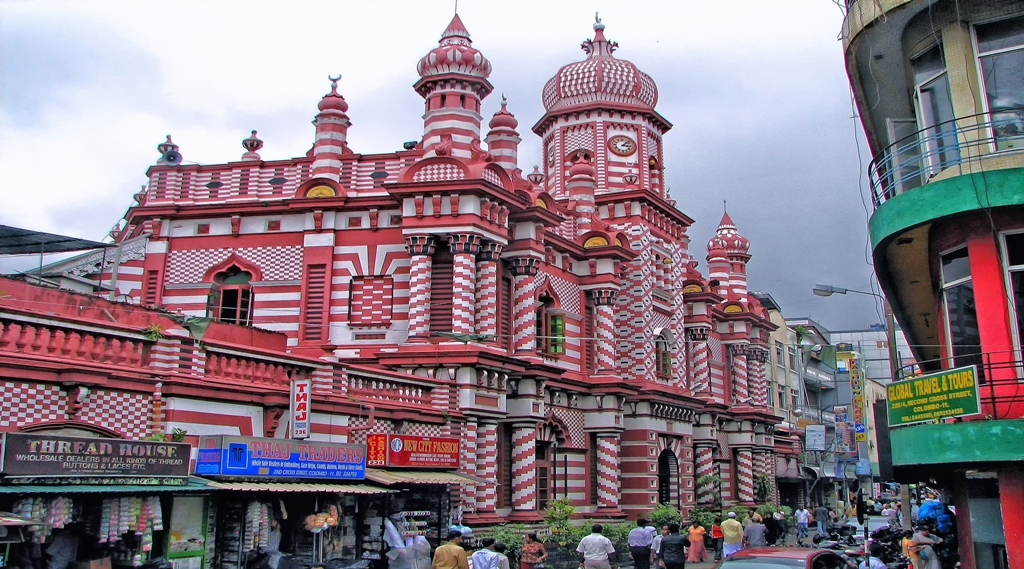
The Jami Ul-Alfar Mosque, often called the Red Mosque, is one of Pettah’s most distinctive landmarks. Its red-and-white patterned exterior makes it immediately recognisable.
Visitors should:
- Dress modestly & remove footwear where required
- Respect prayer times & follow staff instructions
- Avoid disruptive photography
- Confirm whether non-worshippers may enter particular areas
Even when viewed only from outside, the mosque is an important part of Colombo’s architectural and religious landscape.
Visit Gangaramaya Temple
Gangaramaya Temple is one of Colombo’s most prominent Buddhist temples. Its buildings contain religious objects, statues, artwork and collections reflecting different Asian Buddhist traditions.
The nearby Seema Malaka temple sits beside Beira Lake and offers a quieter setting with city views. Dress respectfully, remove footwear where required and behave quietly around worshippers.
See Beira Lake and Seema Malaka
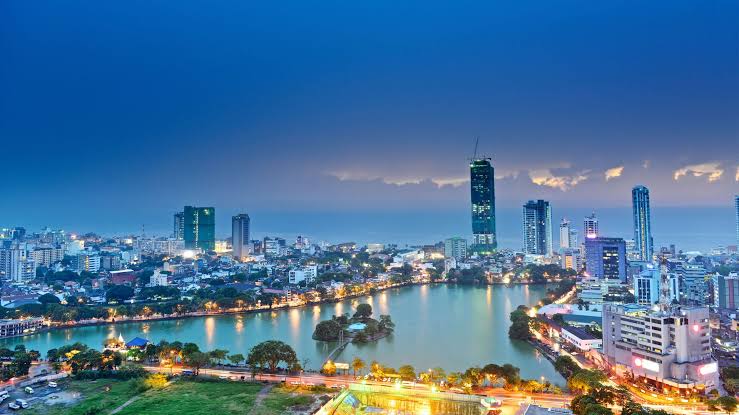
Beira Lake sits within central Colombo and provides a visual contrast to the surrounding traffic and high-rise buildings.
Seema Malaka, located beside the water, is especially attractive in the late afternoon and evening when the city lights begin to appear. Combine this area with Gangaramaya Temple for an efficient cultural visit.
Visit the Colombo National Museum
The Colombo National Museum is one of the city’s most important cultural institutions. Its collections introduce visitors to Sri Lankan history, archaeology, royal traditions, art and cultural heritage.
Allow enough time to explore without rushing. Check current opening hours, ticket arrangements and temporary closures before travelling. The museum is near Viharamahadevi Park, allowing both attractions to be combined.
Relax in Viharamahadevi Park
Viharamahadevi Park is a large green public space near the National Museum, Colombo Town Hall and Nelum Pokuna Theatre.
It is suitable for short walks, family breaks, rest between attractions, photography, and a quieter pause from the city streets. Early morning and late afternoon are generally the most comfortable times.
Visit Independence Memorial Hall
Independence Memorial Hall is located within Independence Square and commemorates Sri Lanka’s independence from British colonial rule.
The open structure, landscaped grounds and surrounding walking areas make it a popular stop for both visitors and residents. The area is especially pleasant in the morning or late afternoon.
Explore Colombo Fort
Colombo Fort is the city’s historic commercial district. Although little remains of the original fortification, the area contains colonial-era civic buildings, hotels, financial institutions and important transport connections.
Notable surroundings include:
- Old Parliament & Presidential Secretariat area
- Historic hotels & modern commercial developments
- Colombo Fort Railway Station
Some government and security areas may have photography restrictions. Follow signs and official instructions.
Visit the Old Parliament area
The Old Parliament Building faces the ocean near Galle Face. Its architecture reflects Colombo’s colonial civic history.
The building is generally viewed from outside. It can be included within a waterfront drive or walk connecting Fort, Galle Face and the newer Port City area.
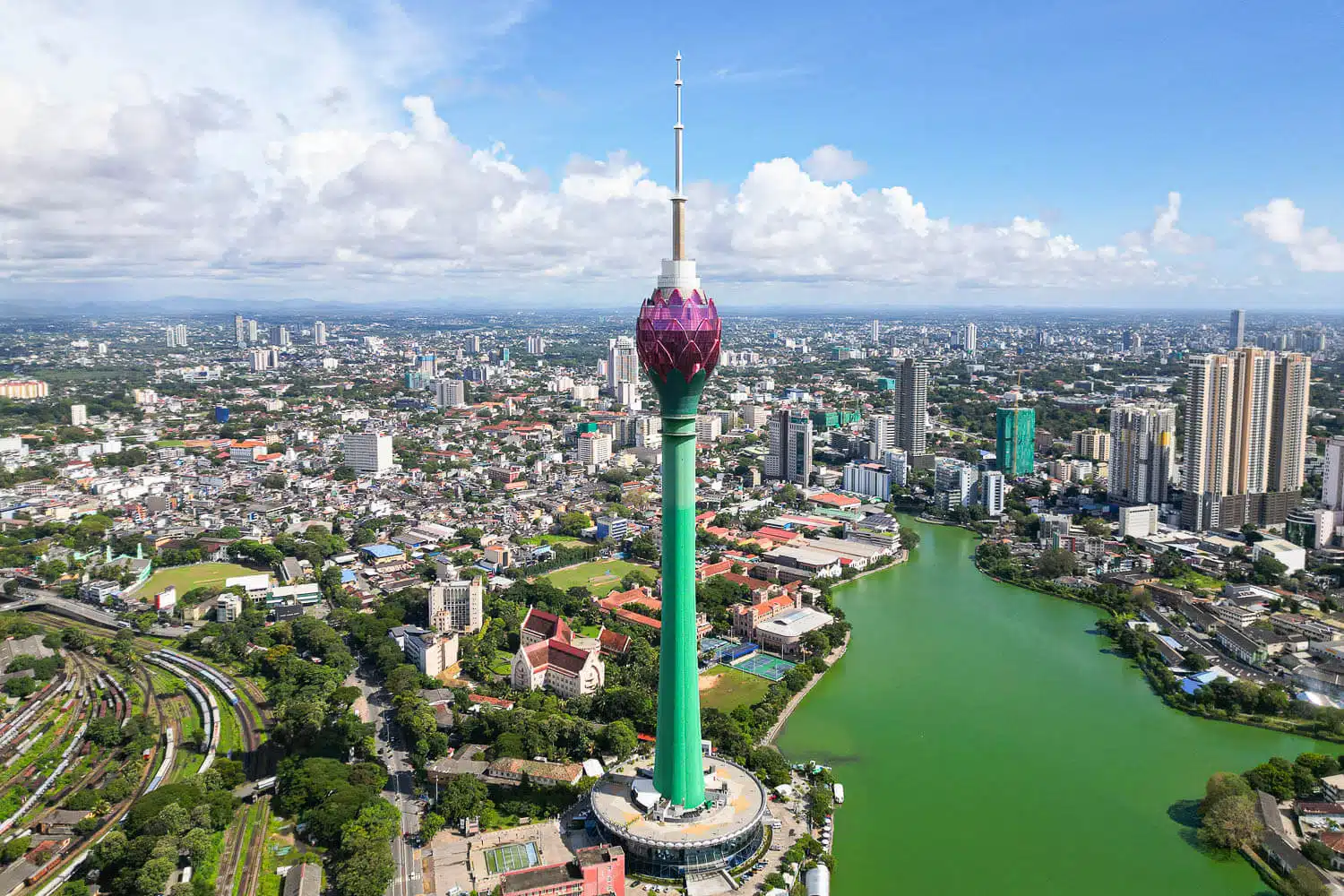
Visit Colombo Lotus Tower
The Lotus Tower is one of the most prominent landmarks in Colombo’s modern skyline. Its lotus-inspired form is visible from many parts of the city.
Visitors may be able to access observation and entertainment areas depending on current operations, tickets and opening hours. Confirm arrangements through official channels before visiting. The tower is particularly attractive in evening city views.
Explore Colombo Port City
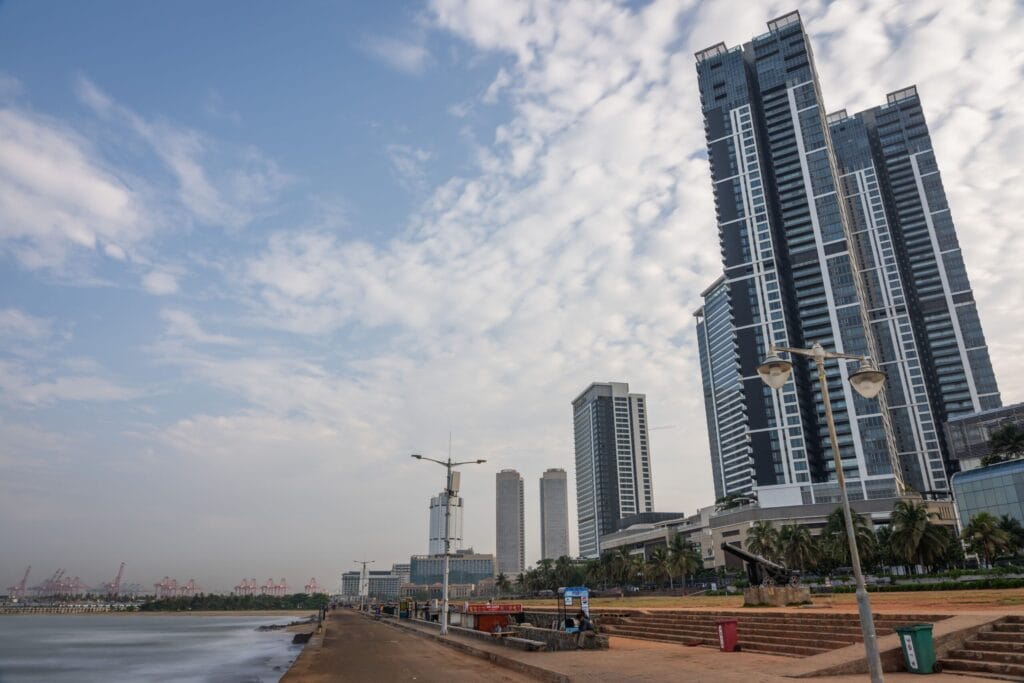
Port City Colombo is a major new waterfront development beside the historic centre. Public access, operating areas and available activities may change as development continues.
It can be viewed as part of Colombo’s transition from colonial port city to modern regional business centre. Check current access rules before planning specific activities.
Take a Colombo tuk-tuk tour
A guided tuk-tuk experience can be an enjoyable way to move between neighbourhoods and sample local food.
A typical route may include Pettah, the Red Mosque, Fort, Gangaramaya, Independence Square, Galle Face, local food stops, and distinct residential or commercial neighbourhoods. Choose a reputable operator with clear pricing and a defined itinerary.
Discover Colombo’s food scene
Colombo is one of the best places in Sri Lanka to experience both local and international dining. Sri Lanka Tourism specifically highlights Pettah, kottu and Galle Face as part of the Colombo experience.
Popular local foods include: Kottu, Hoppers, String hoppers, Rice and curry, Dhal curry, Seafood, Lamprais, Short eats, Isso vade, Watalappan, and fine Ceylon tea.
A suggested one-day Colombo itinerary
Morning — Culture and heritage
- Independence Memorial Hall
- Colombo National Museum
- Viharamahadevi Park
- Gangaramaya Temple
- Seema Malaka and Beira Lake
Midday — Pettah and Fort
- Pettah Market
- Red Mosque
- Colombo Fort
- Old Parliament surroundings
Arrange lunch at a reputable local restaurant or include a guided food experience.
Colombo in two days
Day one — Historic and cultural Colombo
Visit Independence Square, National Museum, Viharamahadevi Park, Gangaramaya Temple, Seema Malaka, Pettah, Red Mosque, and Fort.
Day two — Modern Colombo and relaxed experiences
Include Lotus Tower, Shopping, Port City viewpoint, Mount Lavinia, a tuk-tuk tour, a cooking or food experience, Galle Face sunset, and rooftop dining.
Colombo neighbourhood guide
Colombo Fort
Best for: Historic civic architecture, railway connections, business hotels, Galle Face access, and short city stays.
Pettah
Best for: Markets, local street life, religious landmarks, shopping, and photography with care.
Cinnamon Gardens
Best for: National Museum, Independence Square, Viharamahadevi Park, embassies, quieter tree-lined streets, and premium accommodation.
Kollupitiya and Bambalapitiya
Best for: Shopping, restaurants, seafront hotels, business travel, and easy access to central Colombo.
Wellawatte
Best for: Tamil food, local shopping, coastal railway views, longer urban stays, and access towards Mount Lavinia.
Mount Lavinia
Mount Lavinia is outside central Colombo but is often included in wider city stays. It offers a beach, hotels and a more relaxed coastal setting.
Tripadvisor notes the coastal train journey and Mount Lavinia as options beyond Colombo’s central streets.
Best time to visit Colombo
Colombo has a warm, humid tropical climate throughout the year. Rain can occur in any month, while particular periods may be wetter than others.
December to April
This is commonly considered a popular period for Colombo and the western and southern regions. It is suitable for city sightseeing, Galle Face evenings, outdoor walking, and combining Colombo with Galle and Mirissa.
May to September & Beyond
May to September: Colombo remains open and active, although rainfall and humidity can affect outdoor plans.
October and November: Heavier rain may occur. Keep indoor alternatives such as museums, shopping and food experiences available.
How many days should you spend in Colombo?
How to get to Colombo
From Bandaranaike International Airport
Bandaranaike International Airport is outside central Colombo. Travel time varies according to traffic, time of day and hotel location. A private airport transfer is convenient for international arrivals, families, travellers with luggage, late-night flights, first-time visitors, and direct hotel transport.
Read our Sri Lanka Airport Transfer Guide or explore our Private Chauffeur Services.
From Galle
Colombo is connected with Galle by road and rail. A private transfer allows stops and direct hotel service, while the coastal railway can provide an alternative journey. Use our Galle Sri Lanka Travel Guide when planning this route.
From Kandy & Sigiriya
From Kandy: Colombo and Kandy are connected by road and rail. Sri Lanka Tourism notes intercity rail services between the two cities, although schedules and carriage standards vary. Use our Kandy Sri Lanka Travel Guide.
From Sigiriya: Most private routes travel from Sigiriya through Dambulla and Kurunegala or via Kandy, depending on the itinerary. Use our Sigiriya Sri Lanka Travel Guide.
From the South Coast
Colombo connects naturally with Galle, Hikkaduwa, Bentota, Kalutara, and Mount Lavinia. A private transfer is practical when carrying luggage or travelling directly to the airport.
Where to stay in Colombo
Fort and Galle Face
Best for first-time visitors, short stays, heritage hotels, business travel, oceanfront access, and Fort and Pettah sightseeing.
Cinnamon Gardens
Best for quieter surroundings, museums and parks, premium hotels, families, longer stays, and access to Independence Square.
Kollupitiya and Bambalapitiya
Best for restaurants, shopping centres, seafront accommodation, central convenience, and business travellers.
Wellawatte & Mount Lavinia
Wellawatte: Best for local neighbourhood atmosphere, Tamil restaurants, longer stays, access towards Mount Lavinia, and more varied accommodation.
Mount Lavinia: Best for beach access, a relaxed final night, families, coastal hotels, and travellers continuing south.
Food experiences in Colombo
Colombo is one of the best places to explore Sri Lanka’s regional food diversity. Try traditional rice and curry, Jaffna-style crab or seafood, Muslim biryani, Burgher lamprais, Tamil vegetarian meals, kottu, hoppers, string hoppers, short eats, tropical fruit juices, Ceylon tea, and modern Sri Lankan fine dining.
Shopping in Colombo
Popular shopping categories include Ceylon tea, spices, handloom textiles, batik, jewellery, handicrafts, clothing, homeware, books, local art, and Ayurvedic products.
What to pack for Colombo
- Lightweight breathable clothing & modest clothing for temples and mosques
- Comfortable walking shoes, sun hat, sunglasses & sunscreen
- Reusable water bottle & light rain protection
- Small secure day bag & portable phone charger
Safety in Colombo
- Keep valuables secure in markets and avoid displaying large amounts of cash.
- Use authorised transport, agree on tuk-tuk fares or use metered services.
- Take care crossing roads and keep children supervised near traffic and the waterfront.
- Follow photography restrictions and respect security zones.
- Use trusted food vendors and protect yourself from heat and dehydration.
Responsible travel in Colombo
Colombo is a living city with active religious, residential and commercial communities. Please:
- Dress respectfully at places of worship and ask before photographing people.
- Avoid blocking market pathways and dispose of rubbish properly.
- Support local guides and small businesses.
- Avoid intrusive photography in poorer neighbourhoods.
- Respect security and government restrictions.
- Use refillable water bottles where practical.
Connect Colombo with the rest of your Trip Sri Lanka itinerary:
Explore Sri Lanka Tour Packages or see Sri Lanka Tourism’s official guide to things to do in Colombo.
Frequently asked questions about Colombo
Is Colombo worth visiting?
Yes. Colombo offers markets, religious landmarks, museums, food, colonial architecture, shopping and a lively oceanfront atmosphere. One full day is enough for the highlights, while two nights allow a more relaxed visit.
Is Colombo the capital of Sri Lanka?
Colombo is Sri Lanka’s commercial capital. Sri Jayawardenepura Kotte is the administrative capital and seat of government.
How far is Colombo from the airport?
Bandaranaike International Airport is outside central Colombo. Journey time depends heavily on traffic, time of day and the exact hotel location.
How many days do I need in Colombo?
One full day is suitable for the major attractions. Two nights are better for food, shopping, museums and a more comfortable arrival or departure.
Is Colombo suitable for families?
Yes. Families may enjoy the museum, parks, Galle Face, Lotus Tower and selected city tours. Traffic, heat and crowded markets should be considered.
What is the best area to stay in Colombo?
Fort and Galle Face suit short first visits. Cinnamon Gardens suits quieter cultural stays. Kollupitiya and Bambalapitiya are convenient for restaurants, shopping and business travel.
Can I explore Colombo by tuk-tuk?
Yes. Tuk-tuks are widely used, but choose a reputable or metered service and confirm the fare or booking terms.
Can Trip Sri Lanka arrange a private Colombo tour?
Yes. Trip Sri Lanka can arrange private airport transfers, chauffeur-guided city tours, tuk-tuk experiences, attraction visits and onward travel to Galle, Kandy, Sigiriya or the airport.
Plan your private Colombo journey
Combine Colombo’s temples, markets, museums, historic streets, modern skyline and oceanfront experiences with Galle, Kandy, Sigiriya and other destinations through a personalised private itinerary.