



Sustainable Travel in Sri Lanka for Dutch Travellers: 12 Responsible Ways to Explore 🇳🇱
Sustainable Travel in Sri Lanka for Dutch Travellers: 12 Responsible Ways to Explore
Plan a lower-impact Sri Lanka journey through rainforest, wildlife, local communities, slower itineraries and carefully chosen accommodation—without turning sustainability into a marketing slogan.
Sustainable travel in Sri Lanka is not about trying to make a long-haul holiday perfectly “green.” It is about making better choices once you arrive: staying longer in fewer places, supporting local businesses, respecting wildlife, reducing unnecessary waste and choosing experiences that protect rather than pressure the landscapes you came to see. For travellers from the Netherlands interested in nature, local culture and lower-impact choices, Sri Lanka offers many ways to travel more thoughtfully while still enjoying wildlife, mountains and beaches.
What Does Sustainable Travel in Sri Lanka Actually Mean?
Sustainability can become vague when every hotel, tour and restaurant uses the same language. A more useful definition is simple: travel in a way that reduces avoidable environmental pressure, keeps more tourism income within local communities and respects the culture and wildlife of the places you visit.
That does not mean every decision will be perfect. International flights create a significant footprint, some road travel is unavoidable, and “eco” labels are not always independently verified. The goal is therefore not purity. It is to make a series of practical decisions that improve the overall impact of your holiday.
A Better Sustainability Test
Ask three questions before booking an experience: Who benefits locally? What pressure does this place on nature or wildlife? Could I experience the same destination with less waste, fewer transfers or more time in one place?
Why Sri Lanka Works Well for Responsible Travel
Sri Lanka's relatively compact geography allows travellers to combine ancient cities, rainforest, mountain landscapes, national parks and coastline without using domestic flights for a standard island itinerary. That does not automatically make every route sustainable, but it creates opportunities for slower overland travel.
The country also protects globally important ecosystems. UNESCO describes Sinharaja Forest Reserve as Sri Lanka's last viable area of primary tropical rainforest, with exceptionally high endemism. UNESCO's Central Highlands of Sri Lanka World Heritage property includes the Knuckles Conservation Forest, Horton Plains and Peak Wilderness Protected Area.
For travellers, these places are not simply scenic backgrounds. They are living ecosystems where responsible tourism depends on staying on permitted trails, using qualified guides, respecting visitor controls and avoiding activities that damage habitat.
5 Destinations for Sustainable Travel in Sri Lanka
1. Sinharaja Forest Reserve
Sinharaja is one of Sri Lanka's most important biodiversity areas. A guided forest walk can introduce travellers to endemic birds, amphibians, insects and plant life while directing tourism income toward licensed local guiding and accommodation around the reserve.
The sustainable approach is simple: use authorised access points, follow guide instructions, stay on trails and avoid treating the forest as an adventure playground.
2. Knuckles Conservation Forest
Knuckles offers village landscapes, mountain trails and remarkable biodiversity. Because the conservation forest forms part of the UNESCO-listed Central Highlands, hiking should be approached with respect for protected areas, weather and local trail guidance.
Spending a night or two near the mountains rather than rushing through also supports a slower travel style and creates more value for local guides and small accommodation providers.
3. Gal Oya Region
Gal Oya appeals to travellers who want a quieter wildlife setting away from some of Sri Lanka's best-known safari circuits. The wider area combines forest, reservoir landscapes and community-based experiences.
Rather than promising specific animal encounters, approach Gal Oya as a landscape experience where wildlife, local culture and slower travel matter equally.
4. Jaffna
Jaffna offers a very different cultural experience from the more frequently visited south and hill country. Local restaurants, markets, small hotels and family-run businesses allow travellers to spread tourism spending beyond the usual visitor circuit.
Our Jaffna Travel Guide can help you plan the region without reducing it to a quick sightseeing stop.
5. Ella & the Hill Country
Ella is popular, but it can still support a more thoughtful travel style. Stay longer, walk rather than constantly transfer by vehicle, choose locally owned restaurants and connect the town with a sensible rail or road journey through the hill country.
See our Ella Travel Guide 2026 and Kandy to Ella Train Guide.
Responsible Wildlife Tourism in Sri Lanka
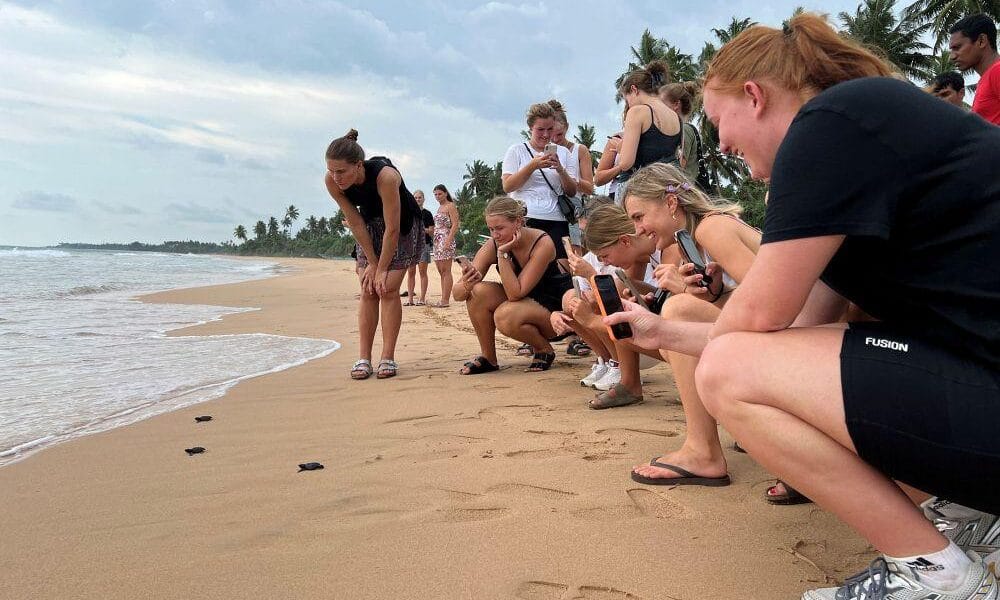
Wildlife is one of Sri Lanka's strongest travel experiences, but it is also where visitor behaviour can have an immediate impact. Elephants, leopards, whales, turtles and other animals should never be treated as props for close-up photographs.
Give Wildlife Space
Choose safari drivers who respect park rules, avoid blocking animals and do not join aggressive vehicle chases. A distant natural sighting is better than a close encounter created by pressure.
Choose Calm, Responsible Operators
For whale watching, look for operators that maintain sensible distances, reduce speed near animals and avoid prolonged pursuit. Wildlife viewing should never depend on surrounding or chasing a whale.
- Never feed wild animals or encourage them to approach people.
- Avoid direct-contact experiences that rely on handling or restraining wildlife for photographs.
- Keep noise low around elephants, birds and other sensitive species.
- Do not pressure drivers to get closer than is responsible.
- Accept uncertainty—ethical wildlife tourism never guarantees sightings.
For more detail, see our Yala National Park Safari Guide, Minneriya Safari Guide and Whale Watching Season Guide.
Support Local Communities Without Turning Them Into Attractions
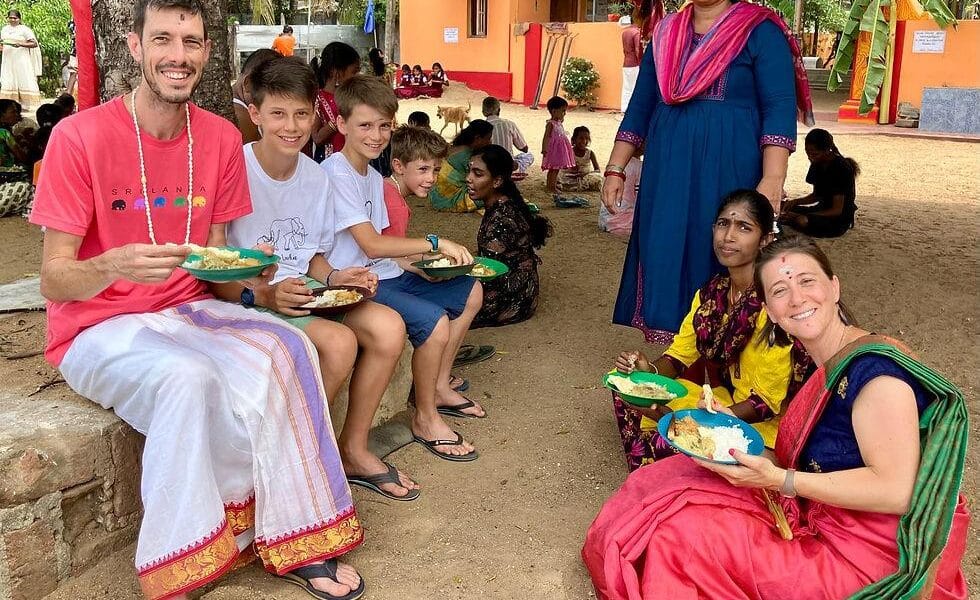
Community tourism can be valuable when it is genuinely community-led. The goal should not be to “visit poor villages” for photographs. A better approach is to spend money with local guides, cooks, artisans, family-run accommodation and small businesses that choose to participate in tourism.
Examples can include village food experiences, locally guided walks, craft workshops and small-scale agriculture visits where the host is being paid fairly and the interaction has a clear purpose beyond entertainment.
How to Choose More Eco-Friendly Accommodation
Do not assume a property is sustainable because the word “eco” appears in its name. Look for practical operational evidence instead.
Energy & Water
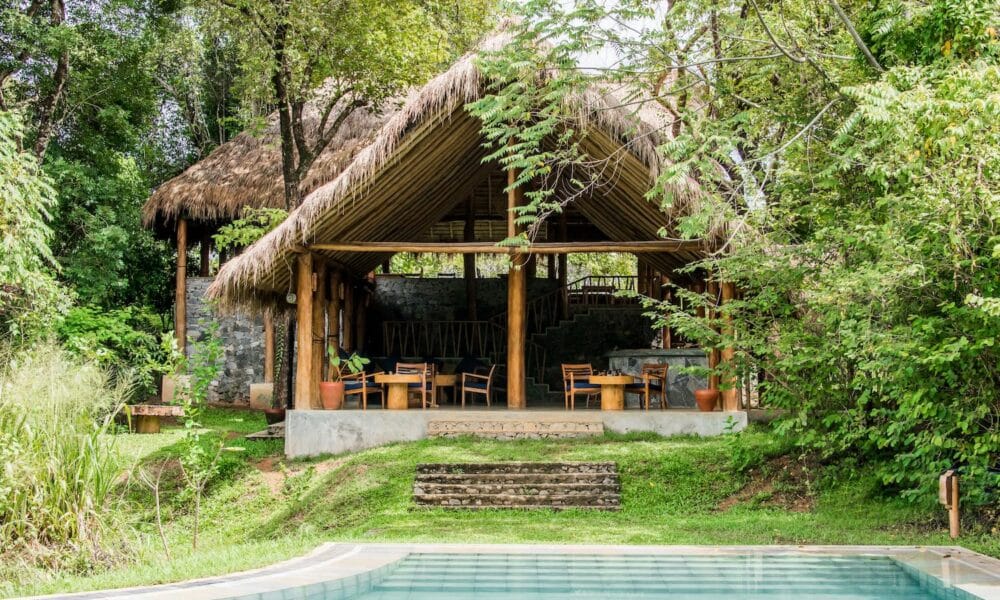
Look for solar power, efficient lighting, sensible air-conditioning use, rainwater management, refill stations and clear water-conservation practices.
Waste Reduction
Refillable glass bottles, bulk bathroom amenities, reduced single-use plastics and visible waste sorting are more meaningful than vague “green” statements.
Local Employment
Properties that employ and train people from nearby communities can keep more tourism value within the destination.
Local Food
Menus using seasonal Sri Lankan produce and regional suppliers can reduce unnecessary imports while giving travellers a more authentic food experience.
If sustainability is important to you, mention it when requesting your itinerary. We can prioritise accommodation with stronger environmental and local-community practices instead of choosing purely by star rating.
Lower-Impact Transport Choices Inside Sri Lanka
Transport is one of the biggest practical questions in any Sri Lanka itinerary. The most sustainable-looking option is not always the most realistic, especially when travelling with children, luggage or limited time.
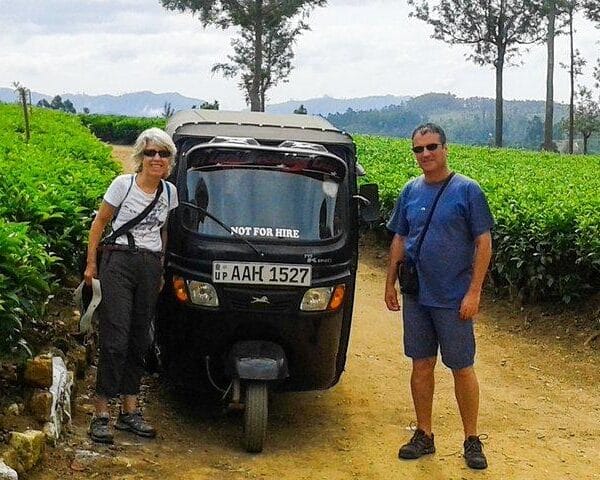
The strongest approach is usually to reduce unnecessary movement. A private chauffeur journey can still support a lower-impact itinerary when it is planned efficiently: fewer hotel changes, less backtracking and a logical route between regions.
Slow Travel Beats Constant Movement
Staying three nights in one region and exploring locally can be more responsible—and more enjoyable—than changing hotels every night simply to collect more destinations.
Sri Lanka's scenic trains can also be part of the experience where schedules and luggage arrangements make sense. A chauffeur does not need to follow the train empty for every rail segment; the route can be designed around practical transfers instead.
Explore our Private Chauffeur Services for tailor-made road journeys.
Reduce Plastic and Waste While Travelling
Small habits matter because tourism creates large volumes of single-use waste. Carry a reusable bottle where safe refill points are available, refuse unnecessary plastic bags and straws, and avoid accepting disposable items simply because they are included.
Do not, however, compromise health or water safety for the sake of appearing sustainable. Use reliable filtered or sealed drinking water where necessary, and choose refill systems only when you trust the source.
Respect Temples, Villages and Everyday Life
Responsible travel is cultural as well as environmental. Dress appropriately at religious sites, follow footwear and photography rules, and ask before photographing people at close range.
Sri Lanka is a lived-in country, not a collection of travel sets. Markets, train stations, villages and religious events are part of daily life. The most respectful travellers observe first, photograph second and avoid blocking people simply to create content.
A 12-Day Sustainable Sri Lanka Itinerary
This sample route is intentionally slower than an itinerary that attempts to visit every famous stop. It can be adjusted according to season, flights, accommodation preference and your interests.
Negombo or Colombo Area
Recover from the flight instead of beginning with a long cross-island transfer. Choose a small hotel with refillable water, local food and sensible waste practices.
Sigiriya & Cultural Triangle
Stay three nights in one base. Visit Sigiriya and Dambulla, then add a responsible elephant safari only if current wildlife conditions make it worthwhile.
Knuckles or Kandy Region
Choose a locally guided mountain or village experience and avoid squeezing a full hike into a long transfer day.
Ella & Hill Country
Walk locally, explore tea country and use the scenic railway where it fits naturally. Two nights allows the destination to feel like more than a photo stop.
Seasonally Appropriate Coast
Finish with fewer transfers and more downtime. Select the south or east coast according to your travel month rather than automatically booking the same beach region year-round.
For weather planning, see our Best Time to Visit Sri Lanka and Sri Lanka Monsoon Travel Guide.
Does a Private Chauffeur Conflict With Sustainable Travel?
Not necessarily. A private vehicle has an environmental cost, but so do repeated transfers, detours and inefficient travel. For many visitors, especially families or couples carrying luggage, a well-routed chauffeur itinerary can reduce unnecessary movement and make it practical to stay longer in smaller destinations.
The sustainability benefit comes from the way the route is designed: sensible distances, fewer hotel changes, local restaurants and guides, and combining destinations that naturally sit on the same journey.
Sustainable Travel in Sri Lanka: 12 Practical Tips
- Stay longer in fewer places instead of moving every night.
- Use local guides for rainforests, mountains and cultural experiences.
- Choose responsible safari drivers who respect wildlife distance.
- Carry a reusable bottle where safe refill stations are available.
- Refuse unnecessary single-use plastics.
- Eat at locally owned restaurants and try seasonal Sri Lankan food.
- Buy locally made products rather than imported souvenir items.
- Ask before photographing people, particularly in villages and religious settings.
- Choose accommodation based on real practices, not only “eco” branding.
- Use trains where they genuinely improve the route rather than forcing them into every itinerary.
- Keep beach and wildlife choices seasonal to avoid unnecessary cross-island travel.
- Leave room in the schedule so the journey feels slower, calmer and less consumption-driven.
Sustainable Travel in Sri Lanka FAQs
Is Sri Lanka a good destination for sustainable travel?
Yes, if the itinerary is planned carefully. Sri Lanka offers protected rainforest, mountain landscapes, wildlife areas, locally owned accommodation and overland travel opportunities, but responsible choices still depend on the individual traveller and operator.
What is the most sustainable way to travel around Sri Lanka?
There is no single answer. For many travellers, the most practical approach is a slower route with fewer hotel changes, sensible train journeys where appropriate and efficient road transport between regions.
How can I tell whether an eco-hotel is genuinely sustainable?
Look for visible practices such as refillable water, waste reduction, energy and water management, local employment and locally sourced food. Specific evidence is more useful than a generic eco label.
How can I make a Sri Lanka safari more responsible?
Use operators that respect park rules, avoid chasing animals, keep sensible distance and never feed wildlife. Accept that ethical wildlife encounters cannot be guaranteed.
Is community tourism always sustainable?
No. It is most valuable when communities control the experience and receive a fair share of the revenue. Avoid activities that turn local people or poverty into entertainment.
Can families travel sustainably in Sri Lanka?
Yes. Slower itineraries, longer stays, wildlife education, locally guided walks and small-scale accommodation can work particularly well for families while reducing travel fatigue.
Can Trip Sri Lanka design an eco-conscious itinerary?
Yes. Tell us that sustainability is a priority and we can focus on slower routing, responsible wildlife experiences, locally connected activities and accommodation with stronger environmental practices.
Plan a More Thoughtful Sri Lanka Journey
Tell us your dates, interests and the sustainability choices that matter most to you. Trip Sri Lanka can create a private journey for Dutch travellers with slower routing, responsible wildlife experiences, local connections and carefully selected stays.
Design My Responsible Sri Lanka Journey

Guide de Voyage 2026 Sri Lanka Travel Guide for French Travellers 2026 Discover Sri Lanka: A comprehensive overview of culture,.

Fernreise Sri Lanka 2026 Sri Lanka Travel Guide for German Travellers 2026 Discover the Pearl of the Indian Ocean: An.
Comment Section