




Whale Watching Season in Sri Lanka 2026: Mirissa, Trincomalee & Kalpitiya Guide
Whale Watching Season Sri Lanka 2026: Best Time & Places
Plan a responsible marine wildlife journey from Mirissa to Trincomalee and Kalpitiya, with seasonal route advice, practical tips and private travel options.
Whale Watching Season Sri Lanka is one of the most searched wildlife topics for travellers planning a coastal holiday, and the key thing to understand is that there is no single island-wide season. The best location depends on your travel month, sea conditions and the wider route you want to follow. Mirissa is the best-known base on the south coast, while Trincomalee and Kalpitiya create seasonal alternatives for travellers exploring other parts of Sri Lanka.
Whale Watching Season Sri Lanka: Best Time to Go
The Whale Watching Season Sri Lanka travellers should choose depends on where they plan to stay. For most first-time visitors following the classic south-coast route, the most useful planning window is generally from November to April, when Mirissa and Dondra Point are commonly used for whale and dolphin watching.
Sri Lanka's changing monsoons are the reason the marine season shifts around the island. During the northern-hemisphere winter, the south coast is usually the most logical base. During the European summer months, an east-coast itinerary can make Trincomalee more relevant. Kalpitiya, on the northwest coast, is another established marine-wildlife area and is particularly well known for dolphin watching.
| Location | Useful Planning Period | Best For |
|---|---|---|
| Mirissa / Dondra Point | Generally November–April | Classic south-coast whale watching and easy combination with Mirissa, Galle and the southern beaches |
| Trincomalee | Best considered during the drier east-coast period | Summer itineraries combining east-coast beaches and marine experiences |
| Kalpitiya | Seasonal; confirm local sea conditions and current operations | Dolphin watching, marine wildlife and less conventional northwest-coast routes |
Quick Answer: Best Whale Watching Season Sri Lanka
For travellers visiting between December and March and already planning the south coast, Mirissa is normally the easiest whale-watching base to include. Travellers visiting during the European summer can consider Trincomalee as part of an east-coast itinerary, subject to current marine conditions and responsible operator availability.
Mirissa Whale Watching Season in Sri Lanka
Mirissa is the destination most international travellers associate with the Whale Watching Season Sri Lanka experience. Located on the south coast, it combines a popular tropical beach destination with convenient access to deeper waters beyond the southern tip of the island.
The main southern whale and dolphin watching period is generally regarded as November to April. This makes Mirissa particularly easy to include in winter-sun itineraries that already feature Galle, Weligama, Yala, Ella or the broader south coast.
Whale-watching trips normally leave early in the morning because marine and weather conditions can be more suitable earlier in the day. Actual trip duration varies depending on sea conditions, wildlife locations and the operator.
Best Seasonal Window
Plan primarily around November to April, while remembering that daily weather and sea conditions are more important than a calendar promise.
Early-Morning Departure
Most excursions begin early, so staying in or close to Mirissa the night before is much more comfortable than arranging a long pre-dawn road transfer.
Several Hours at Sea
Expect to spend multiple hours offshore. The exact timing cannot be fixed because whales are wild animals and the sea itself determines how the trip operates.
Read our Mirissa Travel Guide to plan the rest of your stay around the beach, restaurants, coastal scenery and nearby attractions.
Whale Watching Season Sri Lanka: Trincomalee
Trincomalee gives travellers an important east-coast alternative. This matters because Sri Lanka's weather patterns are regional rather than island-wide. When the southwest monsoon influences the west and southwest, the east coast can become a much more logical place to spend a beach-focused holiday.
For travellers visiting during the northern-hemisphere summer, a route through Sigiriya, Polonnaruwa and Trincomalee can be more seasonally appropriate than trying to recreate a December-style south-coast itinerary.
Marine wildlife sightings still depend on real conditions. Ask about current operator activity, sea conditions and responsible operating practices before making the excursion the centrepiece of your stay.
For the wider destination, see our Trincomalee Travel Guide.
Kalpitiya Whale & Dolphin Watching
Kalpitiya, on Sri Lanka's northwest coast, is another recognised marine-wildlife destination. It is especially associated with dolphins and can be a rewarding alternative for travellers interested in a less conventional coastal route.
Kalpitiya can also work well with Wilpattu and northwest Sri Lanka, allowing wildlife-focused travellers to combine marine and land-based experiences without following only the most popular southern circuit.
What Whales and Dolphins Might You See?
Sri Lanka's surrounding ocean supports diverse marine life. The species most commonly associated with whale-watching tourism include blue whales, sperm whales and several dolphin species.
Blue whales are the headline species that helped make the southern coast internationally known for marine wildlife tourism. Sperm whales can also occur in Sri Lankan waters, while dolphin sightings are particularly associated with Kalpitiya as well as other parts of the coast.
Blue Whales
The largest animals on Earth are one of the main reasons travellers search for the best whale watching season in Sri Lanka.
Sperm Whales
Sperm whales are another remarkable cetacean species recorded around Sri Lankan waters and may be encountered on suitable excursions.
Dolphins
Dolphins add another dimension to Sri Lanka's marine-wildlife experiences, with Kalpitiya especially well known for dolphin watching.
Whale Sightings Can Never Be Guaranteed
A whale-watching tour is an opportunity to observe wild animals in their natural environment. Be cautious of any operator promising a 100% sighting or putting pressure on crews to chase animals simply to satisfy passengers.
Responsible Whale Watching Season Sri Lanka Travel
Planning around the Whale Watching Season Sri Lanka is not only about choosing the correct month. Choosing a responsible operator is equally important.
Whale and dolphin tourism can support local livelihoods and raise awareness of Sri Lanka's marine environment, but vessel behaviour matters. Boats should not crowd, chase or block animals, and passengers should never pressure a captain to move closer simply for photographs.
Choose a Better Operator
- Ask whether the operator follows Sri Lankan marine-wildlife regulations.
- Check for passenger safety equipment and clear briefings.
- Prefer boats that maintain suitable distance from whales and dolphins.
- Avoid operators that advertise chasing, touching or guaranteed close encounters.
- Ask how the crew behaves when several vessels locate the same animal.
Be a Responsible Passenger
- Never demand that the boat get closer.
- Do not expect swimming with or touching cetaceans.
- Keep noise under control when animals are nearby.
- Follow crew safety instructions at all times.
- Accept that sometimes the responsible choice is to remain farther away.
What to Expect on a Sri Lanka Whale-Watching Trip
Whale watching is very different from a land safari. You may spend several hours on open water, and even on visually calm mornings the movement of the boat can be significant.
The crew decides the exact route according to conditions and information about marine activity. Some days may produce memorable sightings relatively quickly. Other days require patience, longer travel or may result in limited sightings.
What to Take
- Lightweight sun-protective clothing
- A secure hat and sunglasses
- Sunscreen suitable for marine environments
- Drinking water if not supplied
- A light waterproof layer for spray
- Camera with a secure strap
- Binoculars for wildlife observation
- Any motion-sickness treatment recommended for you by a pharmacist or medical professional
What About Seasickness?
Open-ocean movement can affect travellers who are normally comfortable on boats. If you are prone to motion sickness, seek suitable medical or pharmacy advice before the excursion, stay hydrated and follow the crew's guidance about seating and movement around the boat.
Is Whale Watching Suitable for Families?
Whale watching can be memorable for older children and wildlife-loving families, but suitability depends on the child's age, confidence on boats, trip length and sea conditions.
Before booking, ask about life jackets, shade, seating, toilets and the expected time offshore. A family that is unsure about open-water conditions may have a better experience with a land safari at Udawalawe National Park or another wildlife destination.
How to Add Whale Watching to Your Sri Lanka Itinerary
Mirissa + South Coast
Best fit: Winter-style itineraries. Combine Sigiriya, Kandy, Ella, a safari, Mirissa and Galle. Stay at least two nights in Mirissa so the whale excursion is not squeezed between long road transfers.
Trincomalee + East Coast
Best fit: European summer-style routes. Combine Sigiriya and Polonnaruwa with Trincomalee, Nilaveli and perhaps Pasikuda or Jaffna, subject to current marine conditions.
Kalpitiya + Northwest
Best fit: Travellers interested in dolphins, marine nature and less-visited regions. Kalpitiya can also combine well with Wilpattu depending on the final route.
Whale Watching and a Mirissa Beach Holiday
For most first-time visitors, whale watching works best as one activity within a broader Mirissa stay rather than as the only reason for visiting the south coast.
Allow time for the beach, a relaxed meal, coastal viewpoints or a visit to Galle. This also gives the itinerary more resilience because marine trips can be affected by weather or sea conditions.
A one-night Mirissa stay can create unnecessary pressure if your excursion is delayed or cancelled. Two or three nights is usually much more comfortable, particularly when the holiday already includes several road transfers.
Whale Watching vs Wildlife Safari
If your itinerary allows, do both. Marine wildlife and national-park safaris are completely different experiences.
A safari may offer elephants, deer, crocodiles, monkeys, birds and other wildlife depending on the park. Whale watching gives you access to a vast marine ecosystem where patience, distance and ethical observation matter.
If you only have time for one experience, choose according to your interests, travel season and route rather than selecting the activity that appears most often on social media.
Why Use a Private Chauffeur for a Whale-Watching Itinerary?
Early-morning departures mean your accommodation location matters. A private chauffeur can help organise the surrounding road itinerary so you are already in Mirissa or the relevant coastal base the night before.
After the excursion, your journey can continue toward Galle, Bentota, Colombo or another destination once you have had time to rest.
Learn more about Trip Sri Lanka Private Chauffeur Services or browse our Sri Lanka Private Tour Packages.
Whale Watching Season Sri Lanka FAQs
What is the best Whale Watching Season Sri Lanka?
For the south coast and Mirissa, the main planning period is generally November to April. Travellers visiting at other times can consider Trincomalee or Kalpitiya according to current seasonal and sea conditions.
What is the best month for whale watching in Mirissa?
There is no guaranteed single best month. The main southern season generally falls between November and April, with daily sea conditions and wildlife movement determining the actual experience.
Where is the best place to see whales in Sri Lanka?
Mirissa and Dondra Point are the best-known southern bases, while Trincomalee provides an important east-coast alternative. Kalpitiya is also recognised for marine wildlife and is particularly popular for dolphins.
Can you see blue whales in Sri Lanka?
Blue whales are among the major cetaceans associated with Sri Lankan waters. Sightings remain dependent on wild animal movements and can never be guaranteed.
How long is whale watching in Mirissa?
Trips generally last several hours, but the exact duration depends on the weather, sea conditions, wildlife location and the operator.
Is whale watching ethical in Sri Lanka?
It can be when operators follow regulations and prioritise appropriate distances, vessel safety and animal welfare. Avoid operators that chase, surround or aggressively approach whales.
Can Trip Sri Lanka include whale watching in a private itinerary?
Yes. We can design your route around the appropriate coast and season while keeping the marine excursion subject to weather, responsible operator availability and current sea conditions.
Plan Your Whale Watching Season Sri Lanka Journey
Want to combine responsible whale watching with beaches, national parks, Sigiriya, Kandy and the hill country? Tell Trip Sri Lanka your travel dates and interests, and we can build the route around the coast that makes the most seasonal sense.
Plan My Sri Lanka Wildlife Journey

Seasonal Sri Lanka Guide • 2026 Christmas in Sri Lanka 2026: Beaches, Weather & Festive Travel Guide Swap.
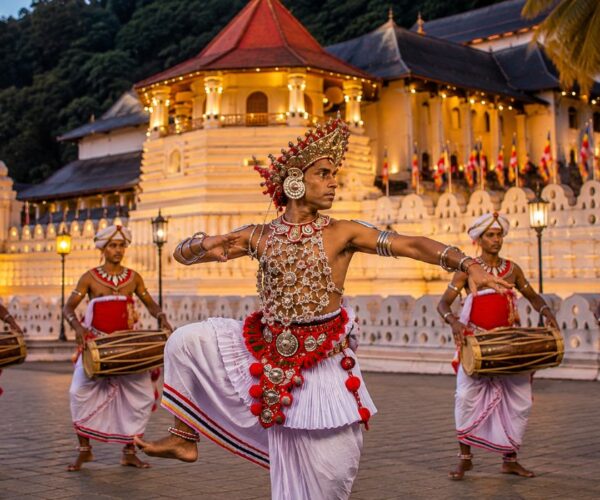
This Kandy Travel Guide is especially useful for first-time visitors who want to explore the city’s cultural highlights without rushing. For.
Comment Section