


Dambulla Cave Temple Guide 2026: 8 Essential Things to Know
Dambulla Cave Temple Guide 2026: 8 Essential Things to Know
Discover sacred caves, ancient Buddha statues, painted ceilings and one of Sri Lanka’s most meaningful heritage sites.
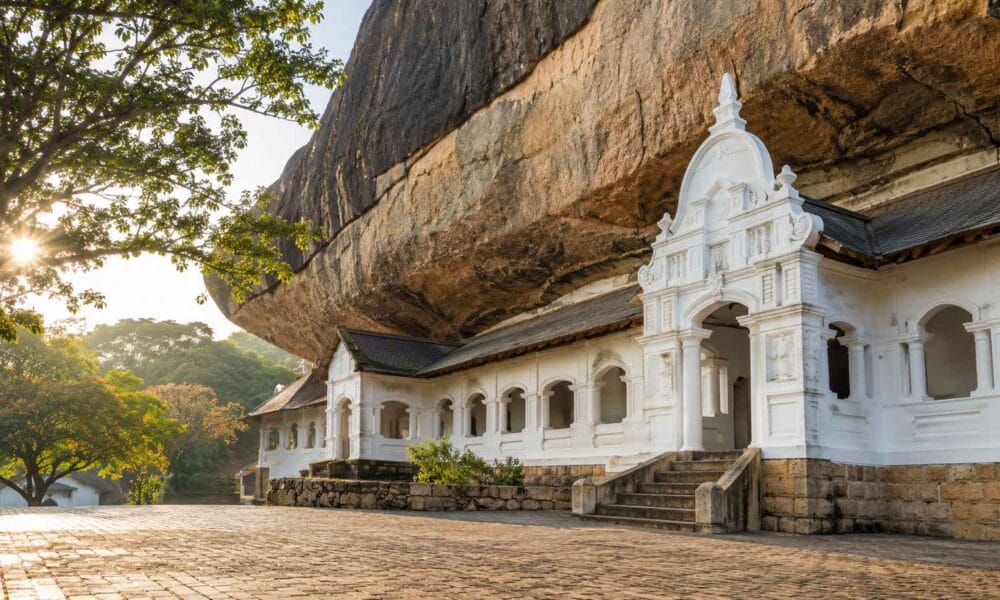
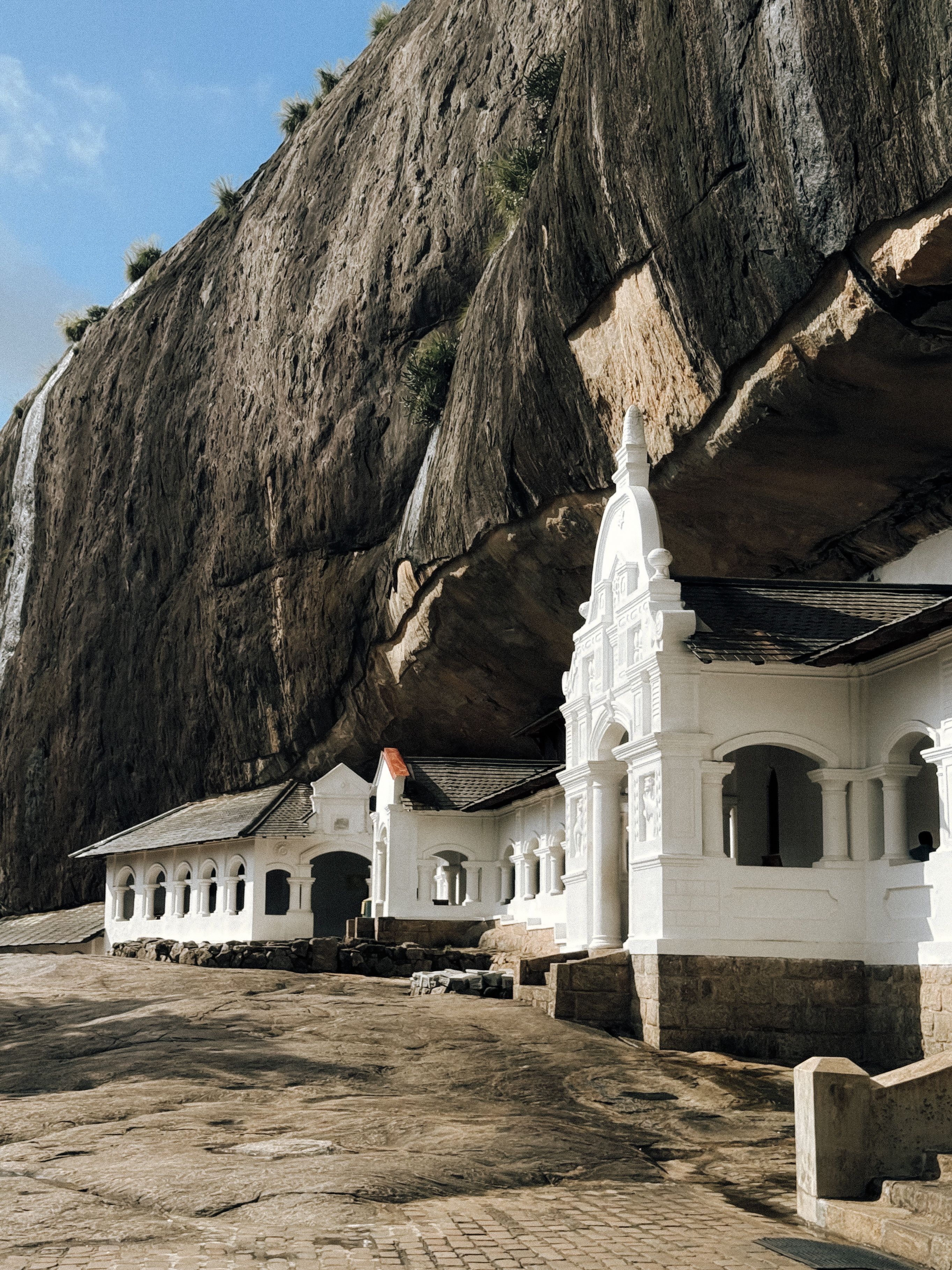
Dambulla Cave Temple, also known as the Golden Temple of Dambulla, is one of Sri Lanka’s most important cultural and spiritual landmarks. Built beneath a vast rock overhang, this sacred site contains a remarkable series of cave sanctuaries filled with Buddha statues, colourful murals and centuries of Buddhist heritage.
Located in the heart of Sri Lanka’s Cultural Triangle, Dambulla is easy to include with Sigiriya, Habarana, Polonnaruwa, Anuradhapura and Kandy. It is ideal for travellers who want to understand the island’s Buddhist traditions while experiencing an extraordinary combination of natural rock formations and sacred architecture.
Why Visit Dambulla Cave Temple?
Dambulla is more than a historic attraction. It remains a living place of worship, where visitors can walk through cave sanctuaries, admire sacred paintings and experience the peaceful atmosphere of one of Sri Lanka’s most enduring Buddhist sites.
8 Essential Things to Know Before Visiting Dambulla Cave Temple
Prepare for a Scenic Walk Up
The cave temple sits high on a large rock, reached by a gradual uphill walk and a series of steps. Take your time, carry water and enjoy the views across the surrounding countryside as you climb.
Explore the Five Main Cave Sanctuaries
The temple complex is centred around five principal caves. Each one has its own atmosphere, with different Buddha images, sacred artworks, statues and wall paintings.
Look Up at the Painted Cave Ceilings
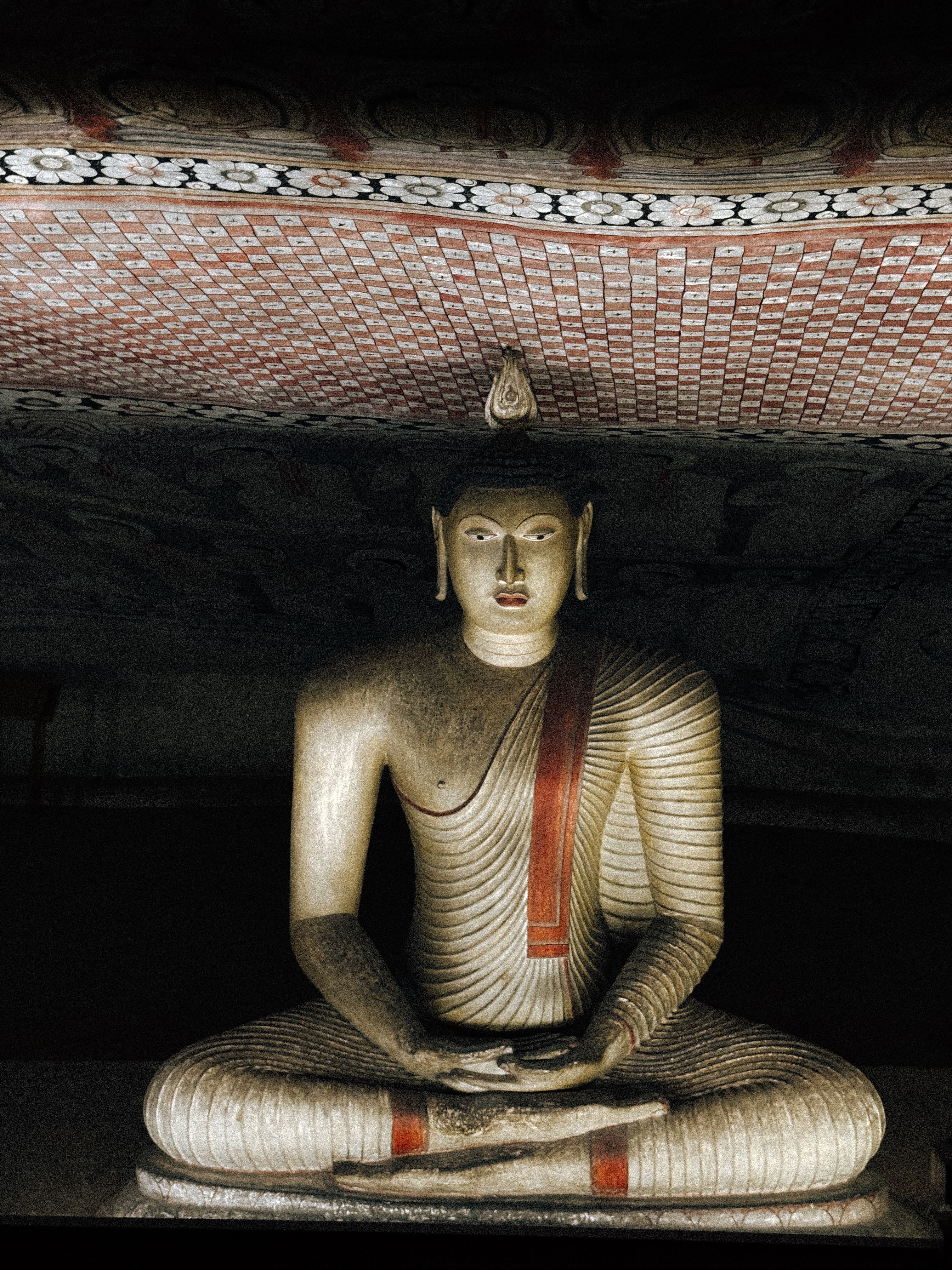
One of Dambulla’s greatest highlights is its mural artwork. The cave ceilings and walls are richly decorated with Buddhist imagery, patterns and scenes connected with Sri Lanka’s religious heritage.
See the Buddha Statues and Sacred Art
The caves contain seated, standing and reclining Buddha statues, along with other sacred figures. Take time to observe the details, colours and scale of these remarkable works.
Dress Respectfully
Dambulla is an active Buddhist place of worship. Visitors should cover shoulders and knees, remove footwear where required and avoid clothing that may be considered unsuitable for a temple visit.
Follow Temple Photography Etiquette
Photography may be restricted in some sections. Avoid flash photography, follow signs and local instructions, and never pose with your back facing Buddha statues.
Visit in the Morning or Late Afternoon
The climb is more comfortable when the weather is cooler. Early morning and late afternoon also offer softer light for photographs and a calmer atmosphere around the temple grounds.
Combine Dambulla with Sigiriya
Dambulla and Sigiriya are close enough to enjoy as part of the same Cultural Triangle stay. A private itinerary can include Sigiriya Rock Fortress, village experiences, wildlife and Dambulla’s sacred caves.
What Makes Dambulla Cave Temple Special?
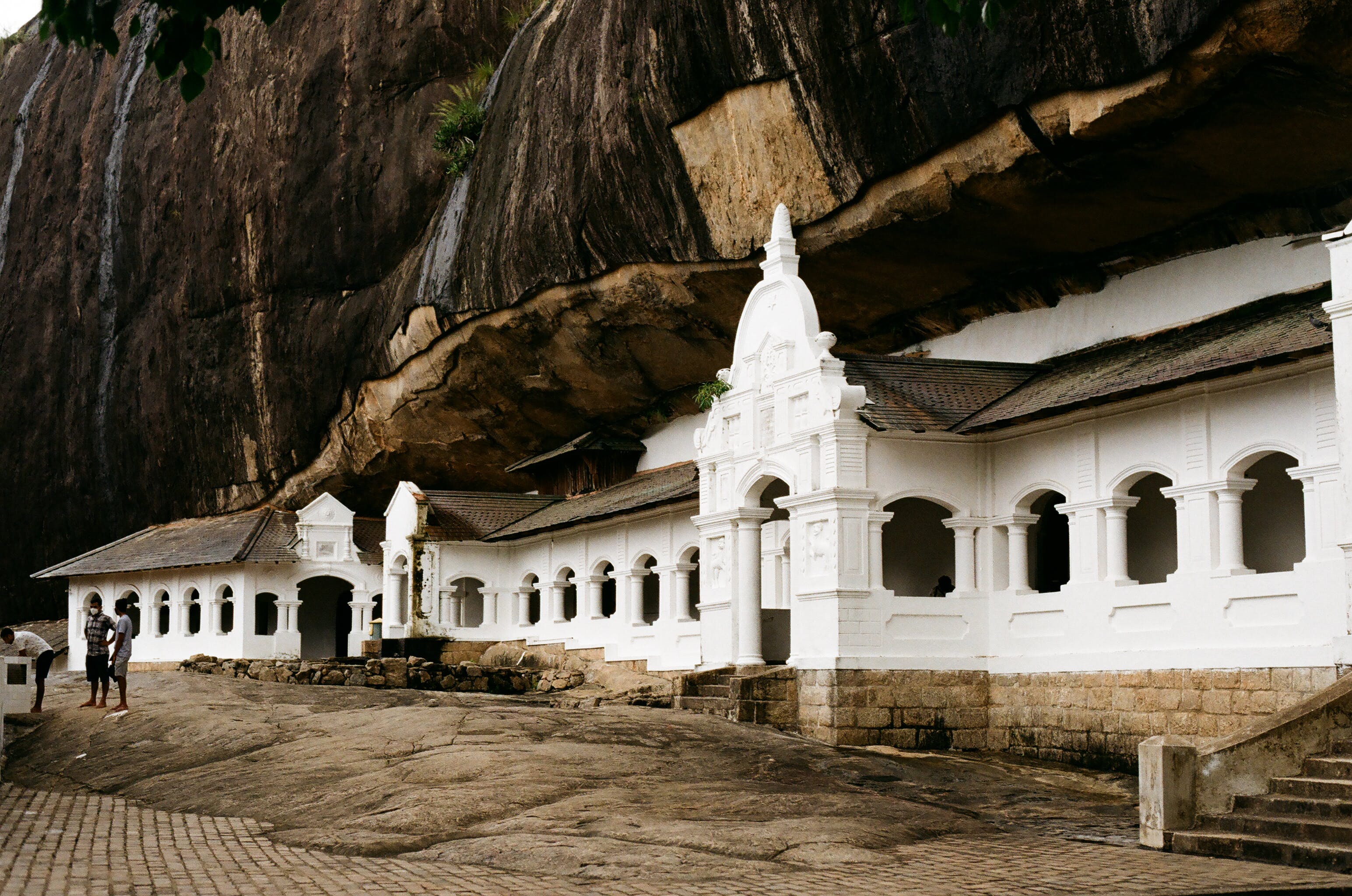
Dambulla stands out because the sacred spaces are built directly beneath a huge natural rock overhang. As you move through the caves, you experience a unique blend of ancient architecture, natural stone, devotional art and centuries of religious tradition.
Ancient Buddhist Art
The cave walls and ceilings are decorated with murals, while the caves contain many different Buddha statues and sacred figures. Together, they create one of Sri Lanka’s richest collections of Buddhist art.
A Living Sacred Site
Dambulla is still visited by worshippers today. Respectful clothing, calm behaviour and awareness of temple customs help make the experience meaningful for both visitors and pilgrims.
How Much Time Do You Need at Dambulla Cave Temple?
A Short Visit
Allow around 90 minutes if you are combining Dambulla with Sigiriya, a village tour or another Cultural Triangle experience on the same day.
A Relaxed Visit
Allow two to three hours if you would like to climb slowly, explore the cave sanctuaries at your own pace, take photographs and spend time enjoying the views.
How to Dress Respectfully at Dambulla Cave Temple
As Dambulla is an important Buddhist temple, modest and respectful clothing is essential. This also makes the visit more comfortable and appropriate for sacred spaces.
- Wear clothing that covers shoulders and knees
- Bring socks for areas where footwear must be removed
- Carry water, sunscreen and a hat for the climb
- Avoid sleeveless tops, short shorts and revealing clothing
- Speak quietly inside the cave sanctuaries
- Follow local signs and staff instructions at all times

Best Time to Visit Dambulla Cave Temple
Dambulla can be visited throughout the year as part of a Cultural Triangle itinerary. The most comfortable times are early morning and late afternoon, when the climb is cooler and the light around the rock and temple buildings is especially beautiful.
December to April is a popular period for combining Dambulla with Sigiriya, Anuradhapura, Polonnaruwa and Kandy. However, private journeys can be arranged throughout the year with flexible sightseeing around local weather conditions.
What to Pack for Dambulla
- Light, modest clothing for temple visits
- Comfortable sandals or walking shoes
- Socks for sacred areas where shoes are removed
- Sunscreen, sunglasses and a hat
- A reusable water bottle
- Compact umbrella or light rain jacket
- Camera or phone for temple architecture and scenic views
Read our Sri Lanka Packing Guide for more practical travel tips.
How to Include Dambulla in Your Sri Lanka Itinerary
Dambulla is one of the easiest destinations to include in a Cultural Triangle route. It works especially well with Sigiriya, Habarana, Polonnaruwa, Anuradhapura and Kandy.
Classic Cultural Triangle Route
Colombo or Negombo → Dambulla → Sigiriya → Polonnaruwa → Kandy.
Extended Sri Lanka Journey
Colombo → Anuradhapura → Dambulla → Sigiriya → Kandy → Nuwara Eliya → Ella → Udawalawe → Mirissa → Galle → Colombo.
Plan Your Dambulla Visit with Trip Sri Lanka
Dambulla is best enjoyed as part of a thoughtfully planned private journey through Sri Lanka’s Cultural Triangle. Trip Sri Lanka can arrange comfortable transport, suitable accommodation and a flexible sightseeing route based on your travel style and pace.
- Private air-conditioned transport
- Experienced chauffeur-guide support
- Carefully selected Cultural Triangle accommodation
- Flexible sightseeing around Dambulla and Sigiriya
- Easy connections to Anuradhapura, Polonnaruwa and Kandy
- Tailor-made heritage, wildlife and hill-country itineraries
Continue planning with our Sigiriya Rock Fortress Guide, Anuradhapura Travel Guide, Polonnaruwa Travel Guide and Sri Lanka Travel Guide.
Discover Sri Lanka’s Sacred Heritage in Comfort
Let Trip Sri Lanka create a private journey through Dambulla, Sigiriya, ancient cities, tea country, wildlife parks and the southern coast — designed around your interests, comfort and travel pace.
Plan Your Private Sri Lanka Tour
Sri Lanka Hill Country Kandy to Ella Train Journey Guide 2026: 9 Essential Tips Plan a relaxed rail journey through.
Sri Lanka Wildlife Minneriya National Park Safari Guide 2026: 8 Essential Tips Discover wild elephants, peaceful reservoir landscapes and one.
1 Comment
[…] Dambulla Cave Temple Guide 2026: 8 Essential Things to Know […]
Comment Section