



Elephant Gathering Sri Lanka 2026: Minneriya & Kaudulla Guide
Elephant Gathering Sri Lanka 2026: Minneriya & Kaudulla Guide
Discover when Sri Lanka's famous dry-season elephant gathering happens, where to see it responsibly, and how to combine Minneriya or Kaudulla with Sigiriya, Habarana and the Cultural Triangle.
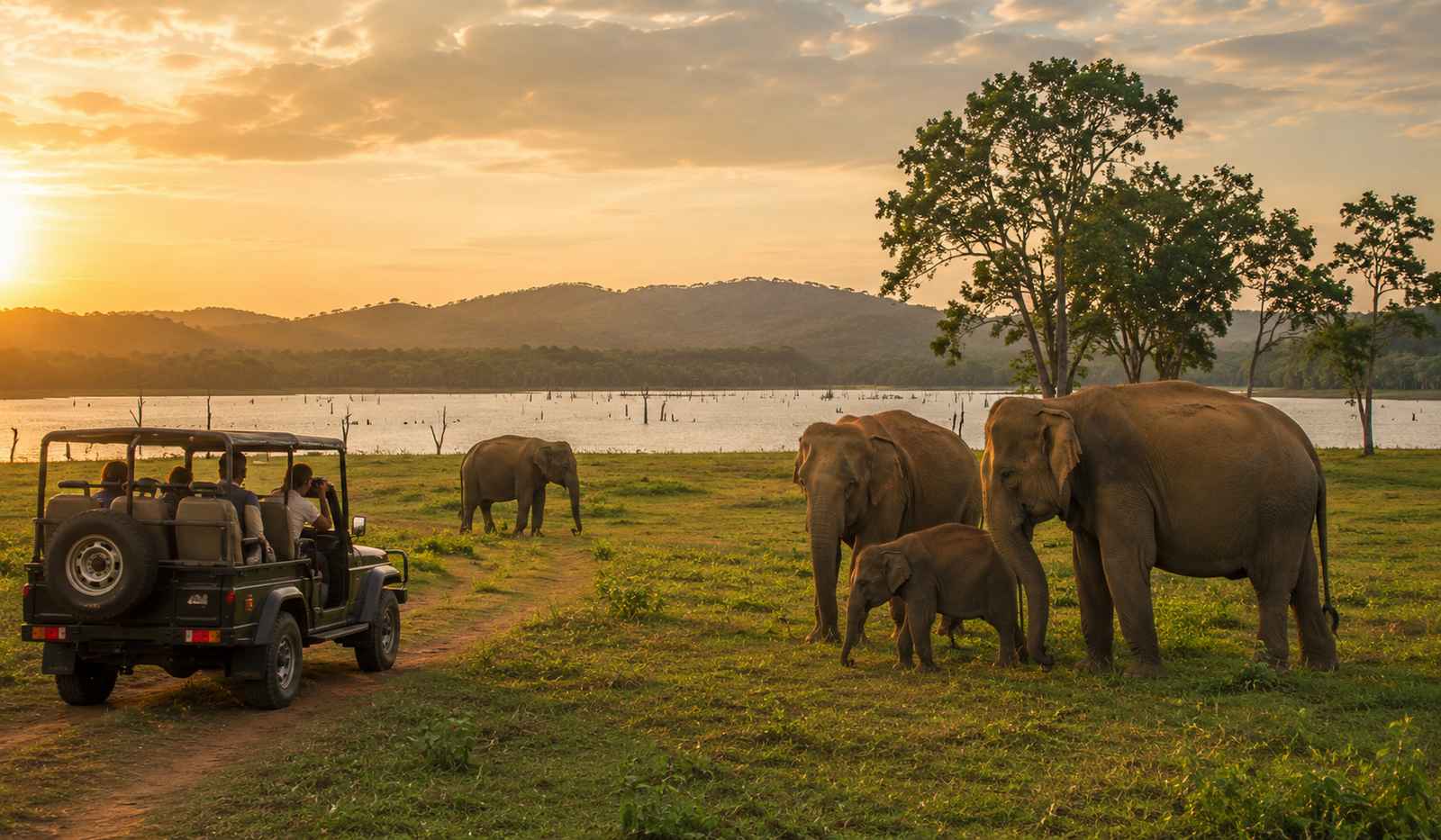
Elephant Gathering Sri Lanka is one of the island's most extraordinary seasonal wildlife experiences. During the dry season, wild Asian elephants move toward the reservoirs and grasslands of the North Central Province, especially around Minneriya and Kaudulla. As water levels fall, fresh grass appears along the reservoir edges, drawing herds from surrounding forests and creating remarkable opportunities to watch elephants feed, socialise and care for their young in the wild.
Elephant Gathering Sri Lanka: Best Time to Visit
The main Elephant Gathering Sri Lanka season is associated with the dry months, when elephants move toward large reservoirs in search of water and fresh grazing. Sri Lanka Tourism highlights July to October as an especially important period for the Minneriya Gathering, while its current Minneriya attraction page describes May to October as a popular time to visit because of the famous elephant concentration.
The exact location of the largest herds is not fixed every year. Rainfall, water levels, food availability and the elephants' natural movements can shift concentrations between Minneriya, Kaudulla and surrounding protected areas. This is why a responsible safari plan should never promise that a certain park will hold a specific number of elephants on a specific day.
| Period | Typical Planning Advice | What to Expect |
|---|---|---|
| May–June | Early dry-season transition | Elephant numbers may begin increasing around the reservoir landscapes, but concentrations can still vary. |
| July–September | Core Elephant Gathering period | Often the strongest planning window for large dry-season herds around Minneriya and nearby parks. |
| October | Late Gathering period | Still potentially rewarding, although rainfall and elephant movement can begin changing the best park. |
| Outside the main dry season | Choose based on current conditions | Elephants remain present in the region, but the famous large concentration may be reduced or shift elsewhere. |
Quick Answer: When Should You Go?
For travellers specifically hoping to experience the Elephant Gathering Sri Lanka, July through September is the strongest period to consider. However, always select the actual safari park according to current local conditions rather than booking Minneriya months in advance without checking where the elephants are moving.
Why Does the Elephant Gathering Happen?
The Gathering is driven by ecology rather than tourism. As Sri Lanka's dry season progresses, the water level of the Minneriya reservoir recedes. This exposes nutrient-rich grass along the banks, while the remaining reservoir continues to provide an important water source.
Small elephant herds from the surrounding forests and protected landscapes move toward these feeding areas. Over time, the separate groups can form large concentrations, creating one of the most striking natural elephant spectacles in Asia.
Sri Lanka Tourism explains that elephants migrate from surrounding jungles toward Minneriya's reservoir during the dry season to feed on the lush grass fields along the banks. Its current attraction information also notes that when the rains return, the elephants disperse again into the surrounding forests.
Water
The reservoir remains a vital dry-season water source as smaller seasonal water sources become less reliable.
Fresh Grass
As reservoir levels fall, newly exposed grass provides valuable feeding opportunities along the banks.
Natural Movement
Elephants move between connected forests and national parks according to food, water and rainfall—not according to safari schedules.
Minneriya National Park Elephant Gathering
Minneriya National Park is the best-known location associated with the Elephant Gathering Sri Lanka. The park lies between Habarana and Polonnaruwa and protects the Minneriya reservoir and its surrounding dry-zone habitats.
Sri Lanka Tourism describes Minneriya as an important habitat for elephant conservation and notes that large numbers of elephants move toward the reservoir as its waters recede during the dry season.
Minneriya works especially well within a Cultural Triangle itinerary because travellers can stay around Sigiriya or Habarana and combine the safari with Sigiriya Rock Fortress, Dambulla Cave Temple, Polonnaruwa and village experiences.
For more background, see our Minneriya National Park Safari Guide.
Kaudulla National Park & Elephant Movements
Kaudulla is part of the same wider elephant landscape and can become the better safari choice when herds move away from Minneriya. Sri Lanka Tourism has documented elephant movement between Minneriya and Kaudulla with changing rainfall and monsoon conditions.
For travellers, this flexibility is extremely useful. If elephants are concentrated around Kaudulla rather than Minneriya, the safari plan can often be adjusted without redesigning the entire holiday because both parks fit naturally with accommodation around Sigiriya, Habarana and the Cultural Triangle.
This is one reason we recommend thinking of the experience as the Elephant Gathering Sri Lanka region rather than treating a single national park as a guaranteed wildlife attraction.
Minneriya vs Kaudulla: Which Park Should You Choose?
| Factor | Minneriya | Kaudulla |
|---|---|---|
| Reputation | The most famous name associated with the Elephant Gathering | An important neighbouring alternative within the same elephant landscape |
| Best choice | When current herd concentrations and park conditions are strong | When elephants have shifted toward Kaudulla due to water, rain or food conditions |
| Access | Convenient from Sigiriya and Habarana | Also convenient from Sigiriya and Habarana |
| Planning approach | Check current elephant movements shortly before the safari rather than choosing solely from an old online article. | |
Wild Elephants Do Not Follow a Fixed Calendar
The season is predictable enough for travel planning, but the exact park and herd size are not. Rain can alter water levels, food availability and elephant movement. Responsible travel advice should reflect this rather than promising a particular park or number of animals.
What Can You See During the Gathering?
The biggest attraction is not simply the number of elephants. Large seasonal concentrations give visitors an opportunity to observe elephant social behaviour that is difficult to understand from a single isolated animal.
Family Groups
You may see matriarch-led family groups with calves of different ages, allowing patient observers to watch how adults protect and guide younger elephants.
Feeding & Social Behaviour
Elephants may feed on grass, drink, interact with one another, dust themselves or move between the reservoir edge and surrounding forest.
Birdlife
Minneriya's reservoir environment also supports resident and migratory birds, adding another layer to the safari for wildlife photographers and birders.
Other Wildlife
Reptiles, monkeys and other dry-zone species can also be encountered, although elephants remain the main seasonal focus.
Responsible Elephant Safari Etiquette
The quality of an elephant safari should be judged by how respectfully the animals are observed—not by how close the jeep gets. Wild elephants need room to move, feed, socialise and protect their calves without being surrounded or pressured by vehicles.
Choose Responsible Safari Behaviour
- Keep a respectful distance from elephants.
- Never ask a driver to block an elephant's path.
- Avoid crowding calves or family groups.
- Keep noise low around wildlife.
- Do not feed wild elephants.
- Follow park and ranger instructions.
Photography Without Disturbance
- Use a longer lens rather than asking to move closer.
- Do not shout or make noises to force an elephant to look at the camera.
- Avoid flash photography near wildlife.
- Stay inside the safari vehicle unless park rules specifically permit otherwise.
- Let the animals decide the encounter.
The Best Encounter Is Often the Quietest
Watching a herd feeding naturally from a respectful distance can be far more memorable than a crowded close-up. Ethical wildlife tourism protects both elephants and the long-term quality of Sri Lanka's safari experiences.
Where to Stay for the Elephant Gathering
Sigiriya and Habarana are two of the most convenient bases because they sit within easy reach of Minneriya and Kaudulla while also providing access to major Cultural Triangle attractions.
Sigiriya
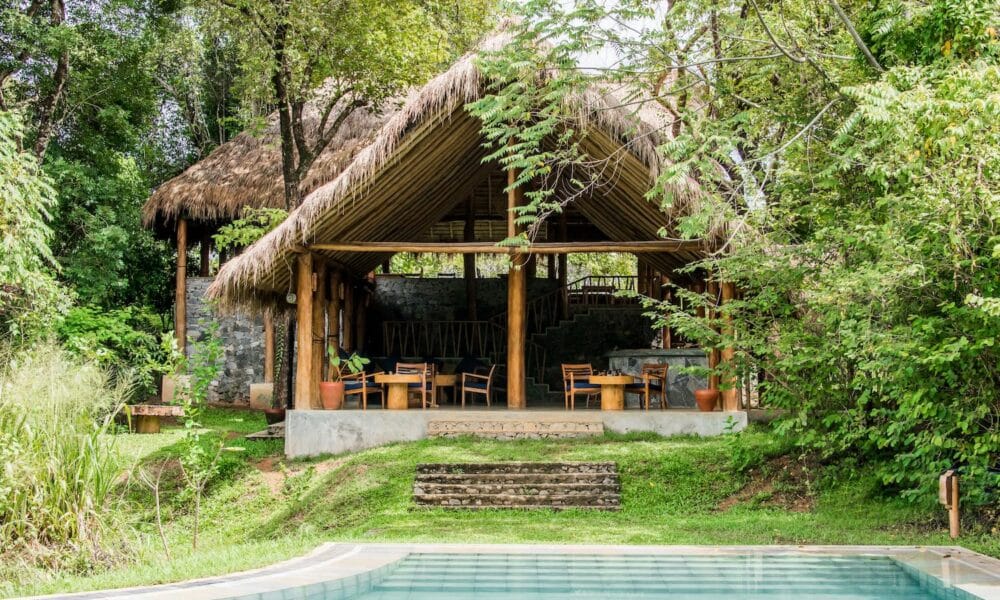
Excellent for first-time visitors wanting to combine the elephant safari with Sigiriya Rock Fortress, Pidurangala and boutique countryside accommodation.
Sigiriya Rock Fortress Guide →Habarana
A practical safari base with convenient road access toward Minneriya, Kaudulla, Sigiriya, Dambulla and Polonnaruwa.
Dambulla
Useful for travellers combining the safari with Dambulla Cave Temple and onward road journeys toward Kandy or other regions.
Dambulla Cave Temple Guide →Best Time of Day for an Elephant Safari
Safari timing should follow local wildlife conditions and park advice. Afternoon safaris are commonly used for elephant-focused visits because animals may move toward water and feeding areas as the day progresses.
However, there is no universal rule that guarantees better sightings in the afternoon. Weather, elephant movement, visitor numbers and park conditions all matter. Your safari operator should advise on the most suitable departure time close to your visit.
If you are climbing Sigiriya on the same day, an early-morning Sigiriya visit followed by a later safari can create a balanced schedule and avoid doing two demanding activities in the hottest part of the day.
Elephant Gathering Safari with Children
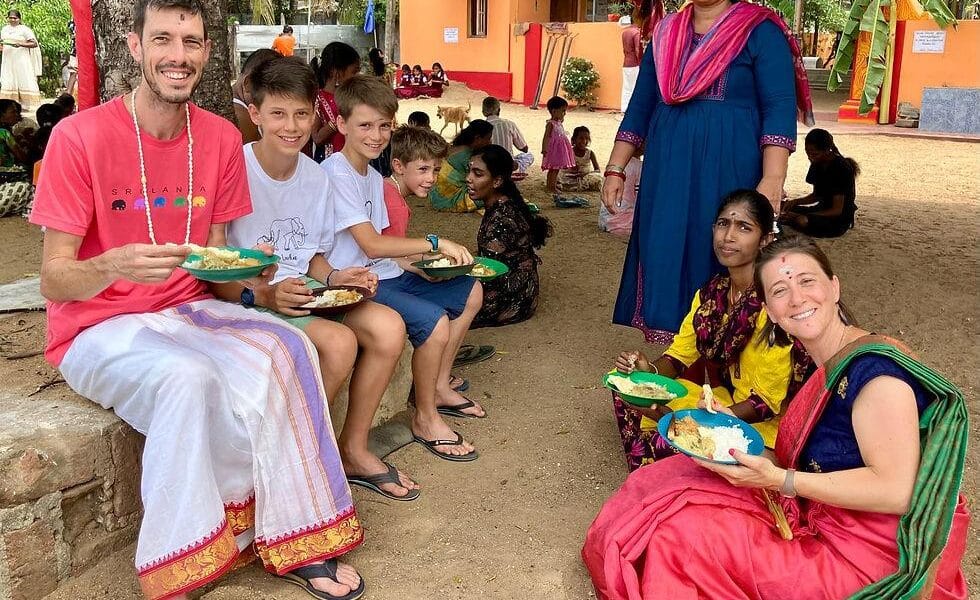
For many families, this can be one of the most memorable experiences in Sri Lanka. Children can see elephants living naturally in herds rather than in a controlled environment.
A safari still involves rough tracks, heat, dust and periods of waiting, so prepare children for the experience. Bring water, sun protection and snacks where permitted, and choose a vehicle that provides safe seating.
Most importantly, explain that wildlife watching requires patience. The goal is not to race between animals, but to observe what happens naturally.
Elephant Gathering Photography Tips
The open reservoir landscapes can produce excellent wildlife photography opportunities, particularly when elephant herds spread across grasslands with water and distant forest behind them.
- Use a telephoto lens where possible.
- Keep shutter speed high enough for moving elephants.
- Photograph behaviour, not only portraits.
- Include landscape context to show the scale of the Gathering.
- Look for interactions between adults and calves.
- Keep equipment secure on rough safari tracks.
- Never sacrifice animal welfare for a photograph.
How to Include the Gathering in a Sri Lanka Itinerary
Culture + Hills + Coast
Airport → Sigiriya/Habarana → Elephant safari → Kandy → Nuwara Eliya or Ella → south coast → airport.
Classic Private Journey
Spend three nights around Sigiriya so you can include the Gathering, Sigiriya, Dambulla and Polonnaruwa before continuing through the highlands.
Culture + East Coast
Airport → Sigiriya → Elephant Gathering safari → Polonnaruwa → Trincomalee or Pasikuda → Kandy or Colombo.
The Gathering fits particularly well into summer itineraries because the same dry-season period also supports routes toward Sri Lanka's east coast.
Essential Elephant Gathering Sri Lanka Safari Tips
- Stay flexible: Be prepared to choose Minneriya or Kaudulla according to current elephant movements.
- Avoid guarantees: Wild elephant numbers can change from one day to another.
- Use an authorised safari vehicle: Follow national park entry requirements and regulations.
- Carry sun protection: Dry-zone safaris can be hot and exposed.
- Protect cameras from dust: Safari tracks can become very dusty during the dry season.
- Respect elephant space: Never encourage aggressive close approaches.
- Allow enough time: Do not schedule a safari between two long road transfers.
- Ask locally: Current information is more valuable than an old online park recommendation.
Why Use a Private Chauffeur for the Elephant Gathering?
A private chauffeur is especially useful because the best park may be confirmed close to the safari date. If the elephants are concentrated at Kaudulla rather than Minneriya, your road plan can be adjusted without disrupting the entire holiday.
Your chauffeur can also connect the safari with Sigiriya, Dambulla, Polonnaruwa, Kandy or the east coast, reducing the need to arrange separate transfers between each destination.
Explore our Private Chauffeur Services or browse our Sri Lanka Private Tour Packages.
Elephant Gathering Sri Lanka FAQs
When is the Elephant Gathering Sri Lanka season?
The famous dry-season concentration is generally associated with May to October, with July through September an especially strong planning window.
Where does the Elephant Gathering happen?
Minneriya is the best-known location, but elephant herds move through a wider connected landscape that includes Kaudulla and surrounding protected areas.
Is Minneriya always the best park?
No. Elephant movements change with rainfall, water and food availability. Kaudulla can sometimes be the better option, so check current conditions before the safari.
How many elephants can you see?
Numbers vary significantly. Sri Lanka Tourism notes that sightings at Minneriya can range from smaller groups to several hundred elephants during strong Gathering conditions.
Can children join the safari?
Yes, many families enjoy the experience, but parents should consider heat, rough roads and the amount of time children are comfortable spending in a safari jeep.
Can Trip Sri Lanka arrange the Elephant Gathering safari?
Yes. We can include an elephant safari within a tailor-made private journey and help choose the most suitable nearby park according to current local conditions.
Plan Your Elephant Gathering Sri Lanka Journey
Combine one of Sri Lanka's greatest seasonal wildlife experiences with Sigiriya, Dambulla, Polonnaruwa, Kandy or the east coast. Tell us your dates and interests, and Trip Sri Lanka can design a private route around the region.
Plan My Sri Lanka Elephant Safari
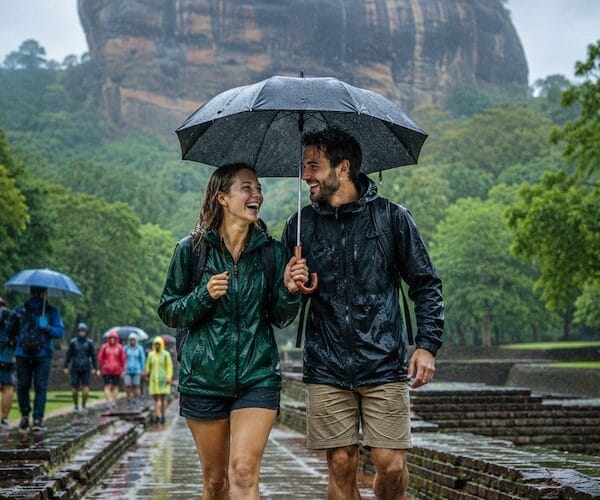
Sri Lanka Weather & Seasonal Travel Guide 2026 Sri Lanka Monsoon Travel Guide 2026: Weather, Seasons & Where to Go.
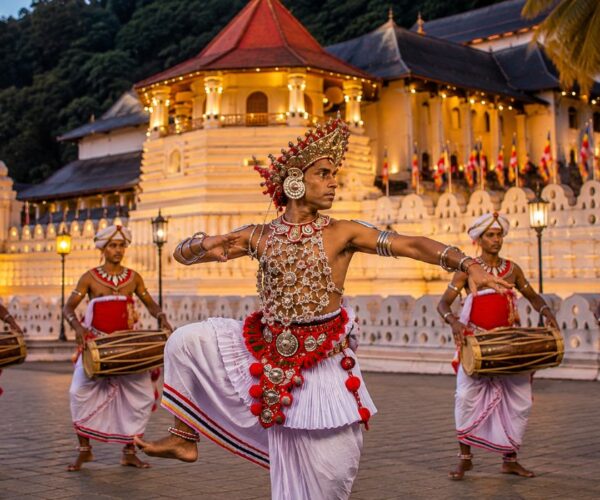
This Kandy Travel Guide is especially useful for first-time visitors who want to explore the city’s cultural highlights without rushing. For.
Comment Section